
Best Places To Visit In Maharashtra In Monsoon
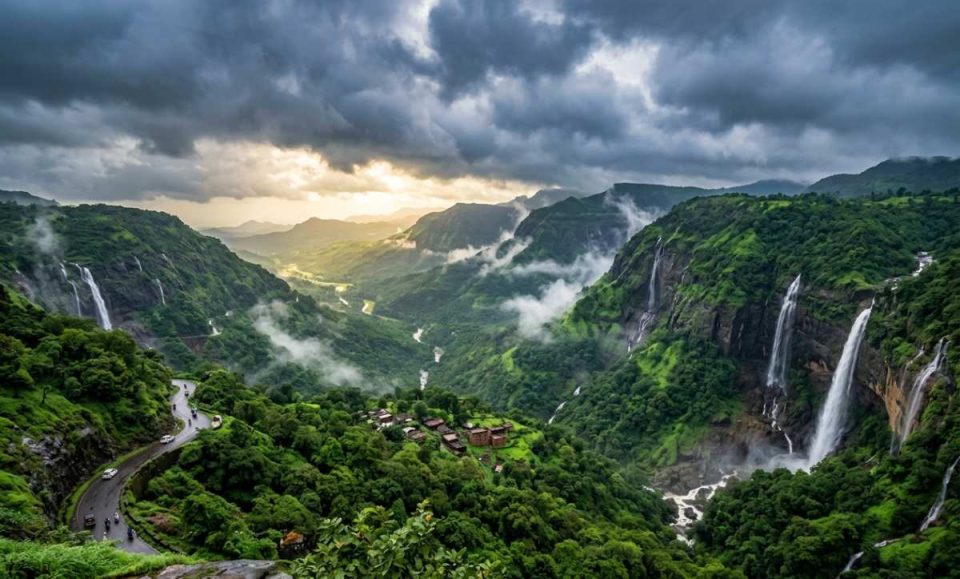
Maharashtra transforms into something almost magical during the monsoon season. The parched brown landscapes turn into rolling carpets of green, waterfalls that were dry for months suddenly burst to life, and the air smells clean and earthy in a way that’s hard to describe but impossible to forget. If you’ve been thinking about a rainy season trip, this is your sign.
Whether you’re a weekend traveller from Pune or Mumbai, or someone planning a longer holiday from further away, the best places to visit in Maharashtra during monsoon offer an incredible mix of adventure, history, and natural beauty. In this guide, we cover 14 destinations that truly shine between June and September — along with tips to help you make the most of every trip.
Table of Contents
Why Maharashtra Is Perfect for a Monsoon Trip
Maharashtra sits at a geographic sweet spot. The Western Ghats act as a giant wall that captures the Arabian Sea monsoon, dumping heavy rainfall across the Sahyadri hills while keeping parts of the Deccan Plateau relatively moderate. The result? A state that offers something for every kind of traveller during the rains.
Trekkers get lush green trails and dramatic cloud-covered forts. Families find cool hill stations and scenic viewpoints. History lovers discover centuries-old caves, temples, and citadels surrounded by mist. And waterfall chasers — well, Maharashtra has over 200 waterfalls, many of which only flow between July and October.
The best time to visit Maharashtra in monsoon is generally mid-July to early September, when the rains are consistent but heavy flooding is less likely than in the peak of June.
Best Hill Stations in Maharashtra During Monsoon
1. Mahabaleshwar
No list of the best places to visit in Maharashtra in monsoon is complete without Mahabaleshwar. Sitting at around 1,370 metres above sea level in the Sahyadri range, this classic hill station receives some of the heaviest rainfall in the state — sometimes over 6,000 mm annually.
During monsoon, the Valley of Flowers viewpoint lives up to its name. The Venna Lake area is shrouded in low-lying clouds. The strawberry farms along the roadside glisten with fresh red fruit. And the Arthur’s Seat viewpoint, often called the “Queen of all Points,” gives you views of cascading waterfalls disappearing into the valley below.
Best for: Couples, families, weekend breaks from Pune or Mumbai Distance from Pune: Around 120 km
2. Lonavala and Khandala
Lonavala is probably the most visited monsoon destination in Maharashtra, and for good reason. Just 65 km from Pune and about 95 km from Mumbai, it’s accessible, well-developed, and stunningly beautiful when the rains arrive.
The famous Tiger’s Leap viewpoint becomes even more dramatic during the monsoon, with clouds rolling in from the valley below. Bhushi Dam overflows and draws huge crowds. The Karla and Bhaja Caves, carved over 2,000 years ago, are surrounded by waterfalls during this season.
One thing to note: Lonavala gets very crowded on weekends during peak monsoon. Plan a midweek visit for a more relaxed experience.
Best for: Quick getaways, groups, first-time monsoon travellers Distance from Mumbai: Approximately 95 km
3. Matheran
Matheran is Maharashtra’s smallest and most unusual hill station — a car-free zone where the only way to get around is on foot, horseback, or by narrow-gauge toy train. During the monsoon, this quirky little town becomes an absolute dream.
The red soil paths turn vivid orange against the green canopy. The toy train from Neral chugs through tunnels and across bridges draped in mist. Viewpoints like Echo Point and Louisa Point offer panoramic views of the Sahyadris wrapped in clouds.
Best for: Peaceful retreats, couples, nature lovers Distance from Mumbai: Around 90 km (including the toy train ride)
4. Panchgani
Located just 18 km from Mahabaleshwar, Panchgani sits across five hills (panch = five, gani = hills) and offers a quieter, less commercialised alternative to its more famous neighbour. The Table Land plateau here is one of the highest plateaus in Asia, and during monsoon it turns into a sea of green dotted with wildflowers.
Sydney Point and Parsi Point are the two best viewpoints for monsoon views. The strawberry and mulberry farms around town are open for picking even during the rains.
Top Waterfall Destinations in Maharashtra in Monsoon
5. Bhimashankar
Bhimashankar is both a wildlife sanctuary and one of the 12 Jyotirlingas in India, making it a rare blend of natural and spiritual significance. The Bhima River originates here, and during monsoon the entire forest becomes a roaring cascade of streams and waterfalls.
The trek to the Bhimashankar temple itself passes through dense shola forest teeming with giant Malabar squirrels, leopards, and hundreds of bird species. The Nagphani (Devil’s Peak) trail offers some of the most dramatic monsoon views in the Sahyadri range.
Best for: Trekkers, wildlife enthusiasts, pilgrims Distance from Pune: About 110 km
6. Malshej Ghat
Malshej Ghat is one of Maharashtra’s best-kept secrets for monsoon travel. The mountain pass cuts through the Sahyadri hills on the Pune–Nashik highway and transforms into a waterfall wonderland between July and September.
Dozens of unnamed waterfalls appear along the roadside, tumbling down sheer rock faces. Flamingos visit the wetlands near the ghat during this period. The road itself, cut into the hillside with valleys falling away on either side, is one of the most scenic drives in the state.
Best for: Road trips, photography, birdwatching
7. Igatpuri
Sitting at the top of the famous Kasara Ghat on the Mumbai–Nashik railway route, Igatpuri is a quiet town that truly wakes up during monsoon. The nearby Bhatsa River Valley floods into a vast green expanse. The Camel Valley and Arthur Lake viewpoints are spectacular when surrounded by rain clouds.
The town is also the home of the Vipassana International Academy — one of the world’s largest meditation centres — for travellers looking to combine natural beauty with a mindful experience.
Historical Forts Worth Visiting in Maharashtra During Monsoon
8. Rajmachi Fort
Rajmachi, near Lonavala, is one of the most popular monsoon treks in Maharashtra. The twin forts of Shrivardhan and Manaranjan sit atop a ridge with views stretching across the Ulhas Valley — and in July and August, those views are layered with waterfalls, mist, and impossibly green hillsides.
The overnight trek to Rajmachi village is a bucket-list experience. Homestays in the village are simple but warm, and waking up to misty Sahyadri mornings is the kind of memory you carry for years.
9. Harishchandragad
For the more adventurous trekker, Harishchandragad is arguably the best monsoon trek in Maharashtra. The ancient hill fort sits at 1,424 metres and features the famous Konkan Kada — a massive overhanging cliff that curves back on itself, offering a view straight down into the Konkan valley thousands of metres below.
The Kedareshwar cave inside the fort contains a massive Shiva lingam surrounded by water during the monsoon. The route through Khireshwar village passes through lush valleys and waterfalls.
Difficulty level: Moderate to challenging
Coastal and Konkan Destinations During Monsoon
10. Alibaug
Alibaug, on the Konkan coast just 95 km from Mumbai (or a short ferry ride from the Gateway of India), has a relaxed, unhurried character that pairs well with rainy season travel. The beaches are rough and dramatic rather than swimming-friendly, but the landscapes are lush and the seafood is outstanding.
The Kolaba Fort, accessible by foot during low tide, is particularly atmospheric during monsoon when waves crash around its walls. The surrounding Konkan villages, with their terracotta-roofed homes and mango orchards, are gorgeous in the rains.
11. Ganpatipule
Further down the coast, Ganpatipule in Ratnagiri district is a quieter beach town built around a famous Ganesh temple on the seafront. The monsoon rains green up the surrounding hills dramatically, the sea turns a deep slate-blue, and the town feels unhurried and genuine.
The drive down from Pune or Kolhapur through the Konkan ghats during monsoon is itself one of the best road trips in Maharashtra — hairpin turns, forest canopy overhead, waterfalls crossing the road.
Other Must-Visit Places in Maharashtra During Monsoon
12. Nashik
Nashik sits at the head of the Godavari River, which is fed significantly by monsoon rains. The ghats along the river become particularly beautiful during this season. The Sula Vineyards nearby host their famous “SulaFest” in February, but monsoon is actually a lovely quiet time to visit the wineries when the vines are growing.
The Trimbakeshwar temple, one of the 12 Jyotirlingas, is nearby and surrounded by green hills in the rains.
13. Kolhapur
Kolhapur is often overlooked in favour of better-known destinations, but it’s one of the most rewarding cities to visit in Maharashtra. The Mahalakshmi Temple is a major pilgrimage site. The old palace complex, now a museum, gives a fascinating window into Maratha royal history.
But during monsoon, it’s the surrounding countryside — the Radhanagari Wildlife Sanctuary, the Panhala Fort, and the Amboli ghat — that really shines. Amboli, in particular, is one of the most biodiverse locations in Maharashtra, and the monsoon brings out its full splendour.
14. Ajanta and Ellora Caves (Aurangabad)
The UNESCO World Heritage Sites at Ajanta and Ellora are extraordinary any time of year, but the monsoon adds a special quality. The surrounding landscape turns green, waterfalls appear near the cliffs, and the crowds thin out compared to peak winter season.
The Ajanta caves, carved into a horseshoe-shaped cliff above the Waghur River, are especially dramatic when the river runs full during monsoon. The rock-cut sculptures at Ellora, depicting Hindu, Buddhist, and Jain traditions side by side, are among the finest artistic achievements in Indian history.
Note: Check road conditions before visiting Ajanta during heavy rain, as access roads can occasionally be affected.
Essential Tips for Visiting Maharashtra in Monsoon
Before you pack your bags, a few practical notes to keep your trip safe and enjoyable:
Carry a good waterproof jacket or poncho — umbrellas are useless on windy hillsides. Book accommodation in advance for popular spots like Mahabaleshwar and Lonavala, especially for weekends. Wear sturdy, non-slip footwear if you plan to trek. Check weather forecasts and avoid trekking during heavy red-alert rainfall days. Leech socks are a practical addition for forest treks between July and September. And most importantly — embrace getting wet. Trying to stay dry during a Maharashtra monsoon trip is a battle you’ll lose, and once you accept the rain, the entire experience becomes joyful.
Frequently Asked Questions
Q: Which is the best place to visit in Maharashtra in monsoon for families? Mahabaleshwar and Lonavala are the most family-friendly options, offering comfortable accommodation, safe viewpoints, and easy activities like boating, strawberry picking, and short nature walks. Both are well-connected by road from Mumbai and Pune.
Q: Is it safe to trek in Maharashtra during monsoon? Many treks are safe and enjoyable during monsoon, but some become genuinely dangerous during very heavy rain. Trails like Rajmachi, Bhimashankar, and Malshej Ghat are popular monsoon treks with reasonable safety records. Always check local weather, go with a guide if you’re new to trekking, and avoid riverbeds and exposed ridges during storms.
Q: When is the best time to visit Maharashtra during monsoon? Mid-July to early September is the sweet spot. The rains are consistent enough to keep everything green and waterfalls flowing, but the absolute peak of the monsoon (late June to early July) can bring heavy flooding and road closures, especially in the Konkan and Sahyadri regions.
Q: Can I visit Ajanta and Ellora during the monsoon season? Yes, and the surrounding landscape is beautiful during this time. However, confirm that road access is clear before heading out, as heavy rains occasionally cause temporary closures. The caves themselves are protected and unaffected by rain.
Conclusion: Your Maharashtra Monsoon Adventure Awaits
The monsoon season is genuinely the most visually spectacular time to experience Maharashtra. From the mist-wrapped forts of the Sahyadris to the roaring waterfalls of Malshej Ghat, from the lush coastal drive to Ganpatipule to the ancient caves at Ajanta — the best places to visit in Maharashtra in monsoon offer experiences that no other season can match.
Start planning your trip now. Pick two or three destinations from this list, check the road and weather conditions closer to your travel date, and then go. Maharashtra in the rains is waiting for you — and it’s even better than the photos suggest.
